
Insights & resources
Practical advice on AI adoption and IT infrastructure for Singapore SMEs, from the team that does this work every day.

5 signs your SME is ready for AI, and 3 signs you're not
Not every business should rush into AI. Here's the self-check we run with clients: five signs you're ready, three signs you're not, and what to do about each.
Keep your IT person or hire an MSP? Why the answer is often both
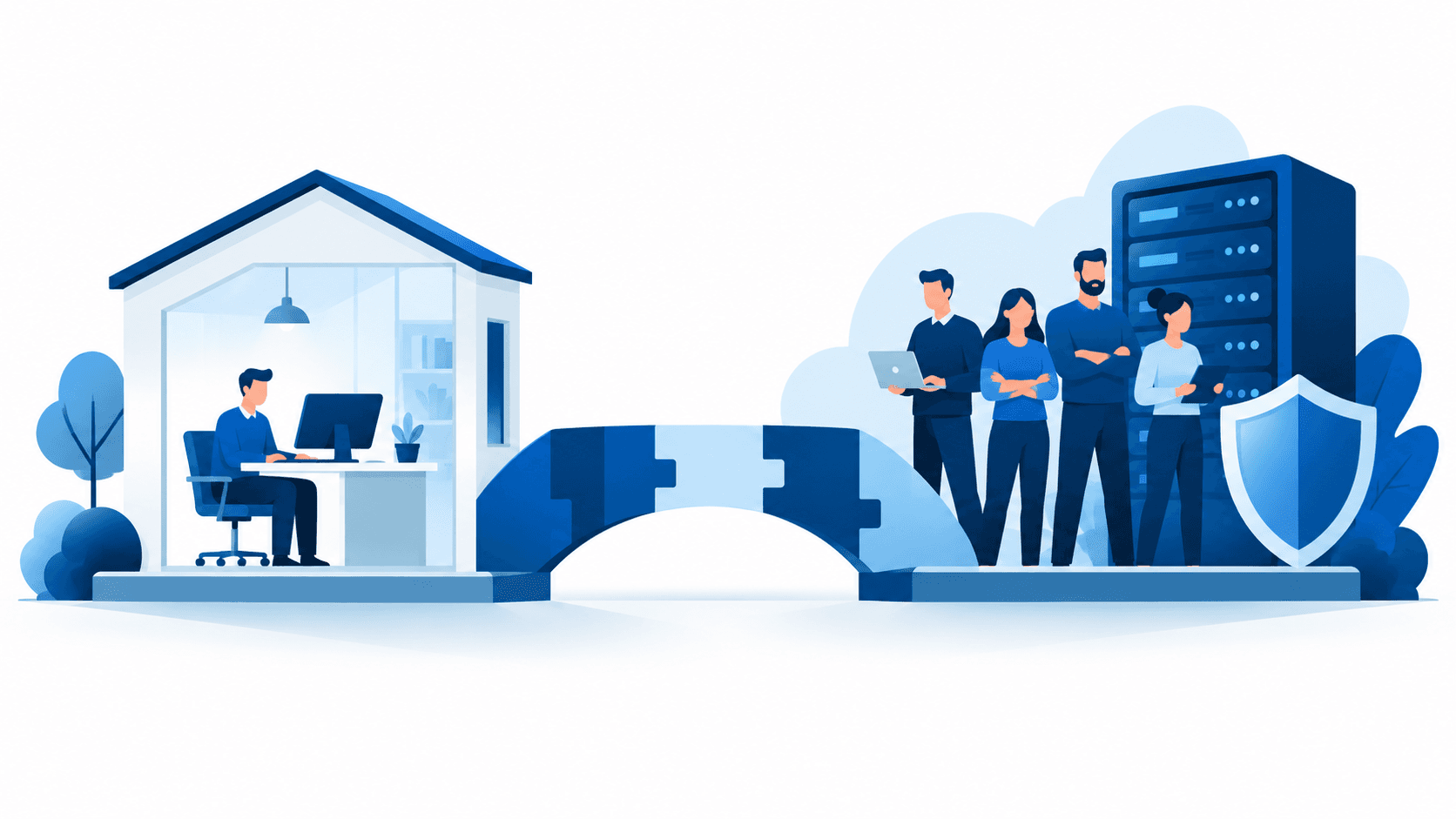
With one IT person and 50 or more staff, keeping them or replacing them is a false choice. Co-managed IT keeps your person for the daily work and adds a provider behind them for monitoring, security, backup and after-hours cover. This guide covers what it means, the three situations it fits and who does what. It also covers what it costs for 30 and 60 staff, and how to tell your IT person without losing them.
How fast should your IT provider respond and fix problems? SLAs explained for SME owners
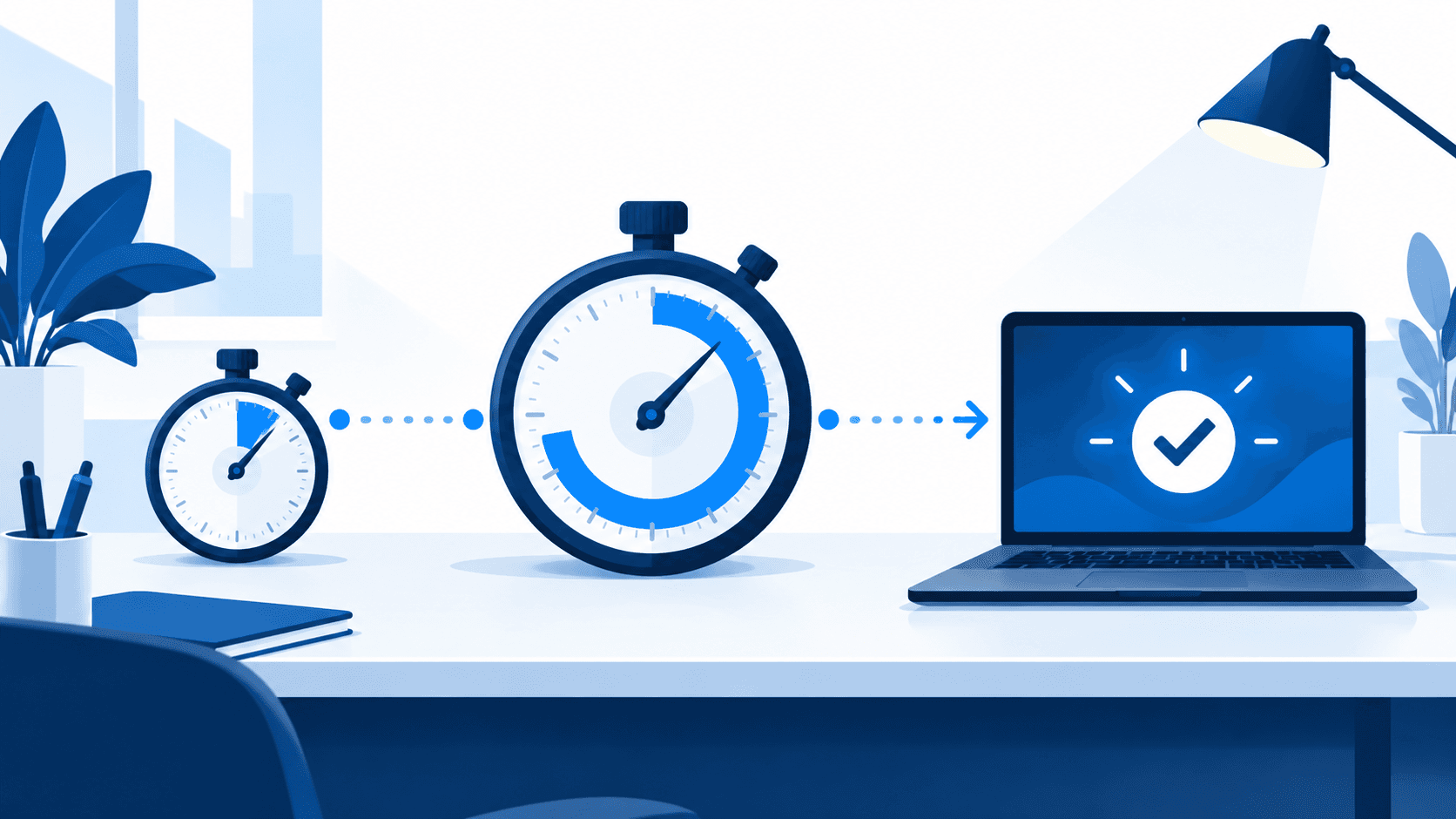
A reasonable SLA for a Singapore SME is a 15-minute to 1-hour response and a 4-hour resolution target for a critical outage. Those are two different promises, and most contracts only commit to the first. This guide covers what an SLA is, realistic tiers, why "24/7 support" means nothing without written clocks, and the six lines to ask for in your contract.

You have backups. Could you reopen on Monday? Backup vs business continuity
A backup is a copy of your data. Business continuity is being able to trade on Monday morning. Most SMEs have the first and assume it gives them the second, until the day they try. Here is the difference, explained with a spare tyre, plus the two numbers to agree with your IT provider this week.

Do you need cyber insurance? What it covers, costs and demands for Singapore SMEs
Cyber insurance pays for the bad week after an incident: forensics, recovery, legal advice and notification. But insurers now check your controls before they pay, such as MFA, EDR and tested backups. Here is what a typical Singapore SME policy costs, what it won't cover, and the message to send your broker and IT provider.
Why your emails land in spam: SPF, DKIM and DMARC in plain English
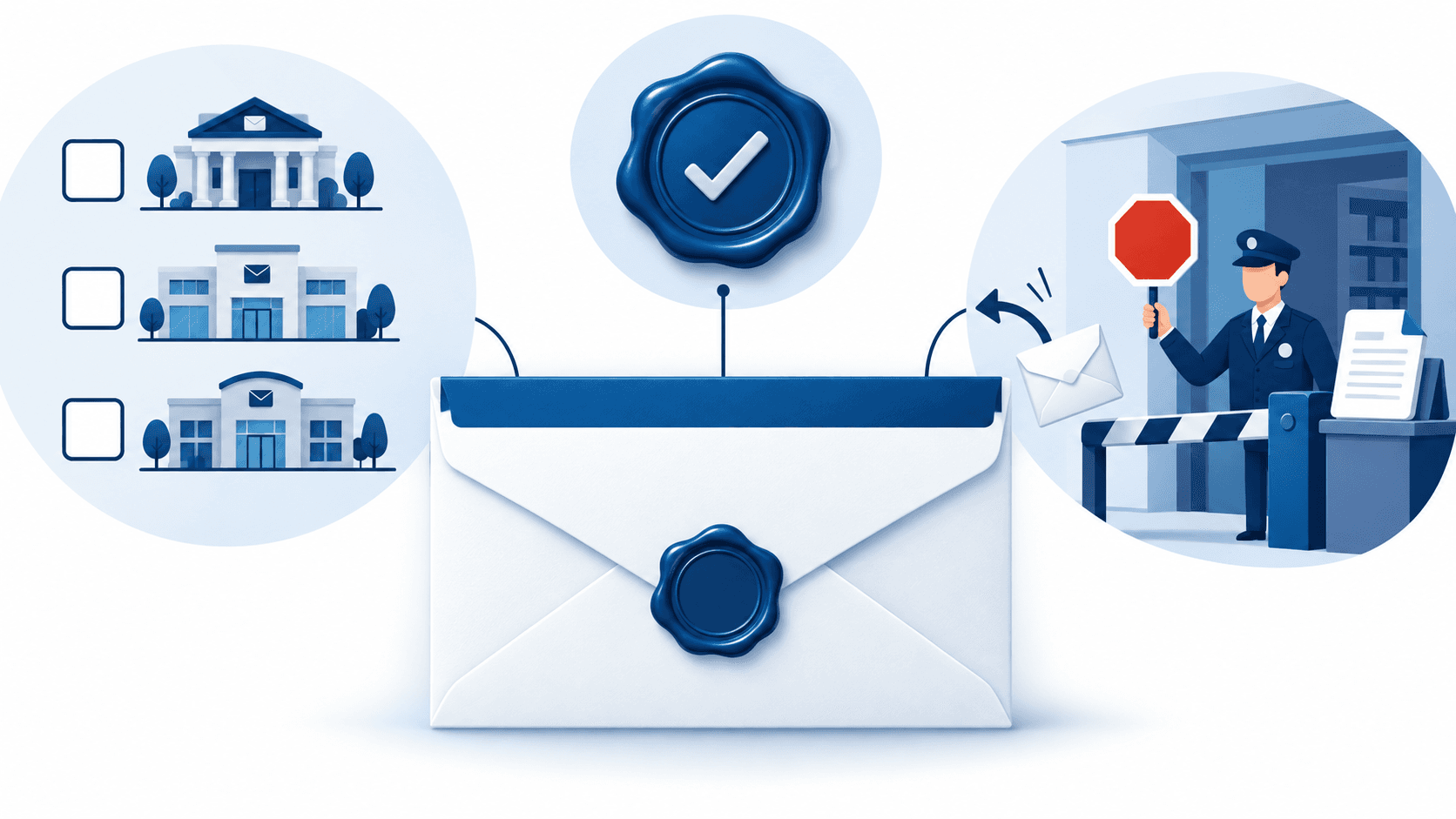
Three DNS records decide whether your invoices reach the inbox and whether criminals can send email as you. Most companies have none of them set up properly. Here's what each one does, explained with letterheads, wax seals and a mailroom. You also get a 5-minute test you can run yourself and the message to send your IT provider for the rest.
Is antivirus still enough for your business? EDR and MDR explained
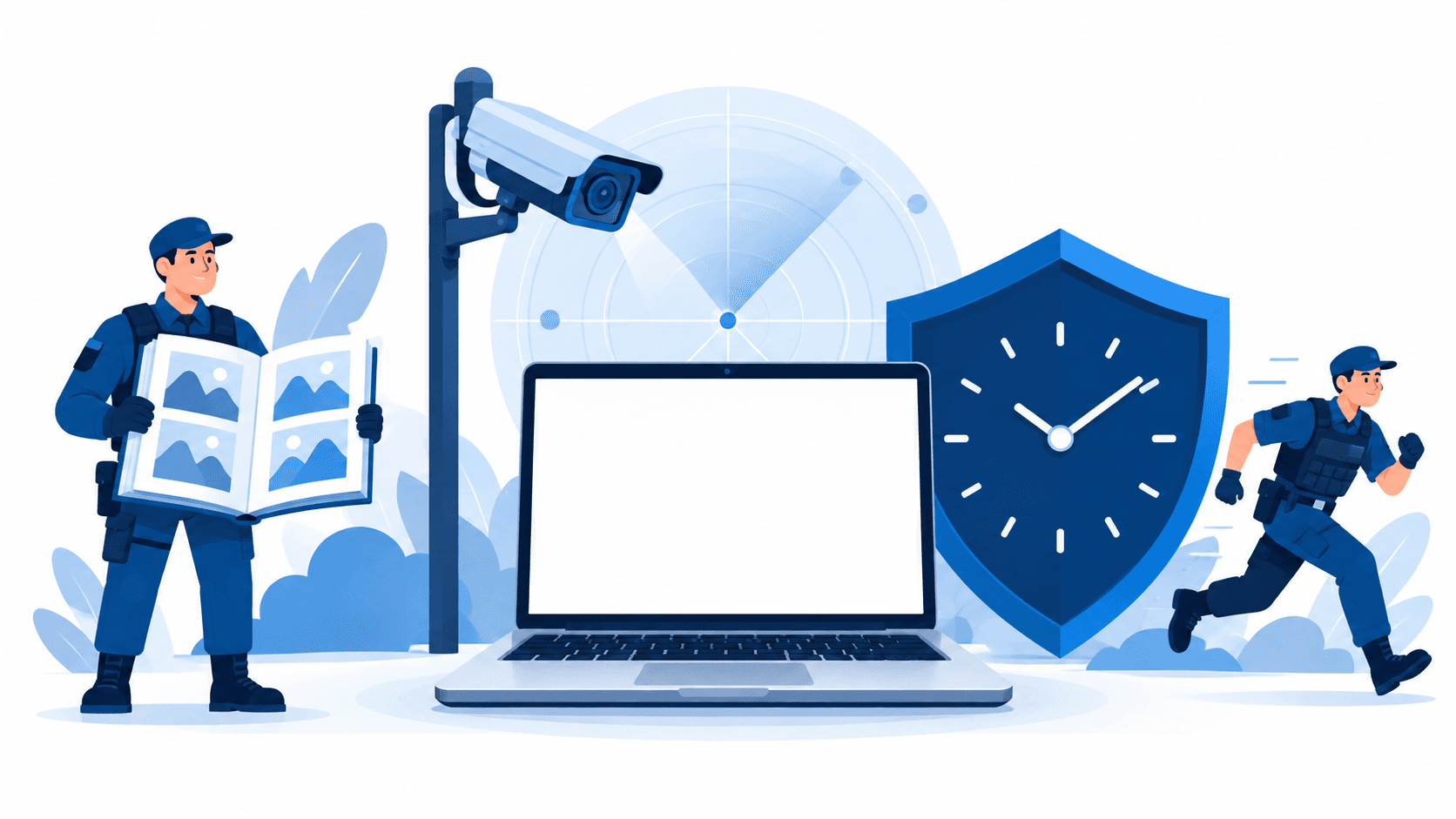
Antivirus checks faces against a wanted list. EDR is the security camera that notices someone carrying out the safe at 2am. MDR is the camera plus a guard who runs over when it triggers. This post covers what drives the cost for a 30-person Singapore company, whether you need the upgrade, and the message to send your IT provider.
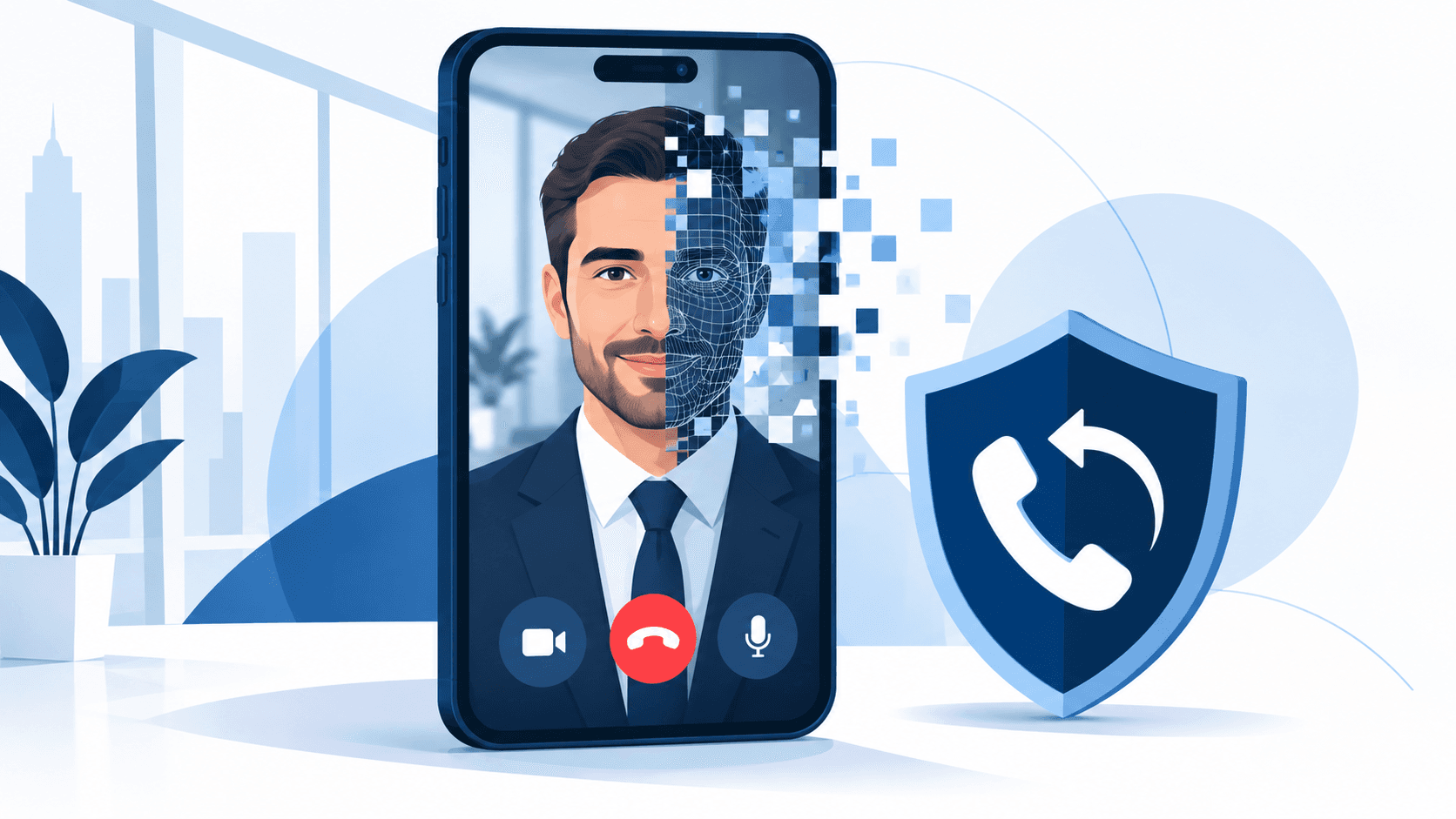
Phishing in 2026: training your staff for the deepfake era
Spelling mistakes no longer give phishing away. Most phishing is now AI-written, and the voice on the phone can be cloned from 3 seconds of audio. Here's what still gives scammers away, and the verification habits that beat even a perfect fake.
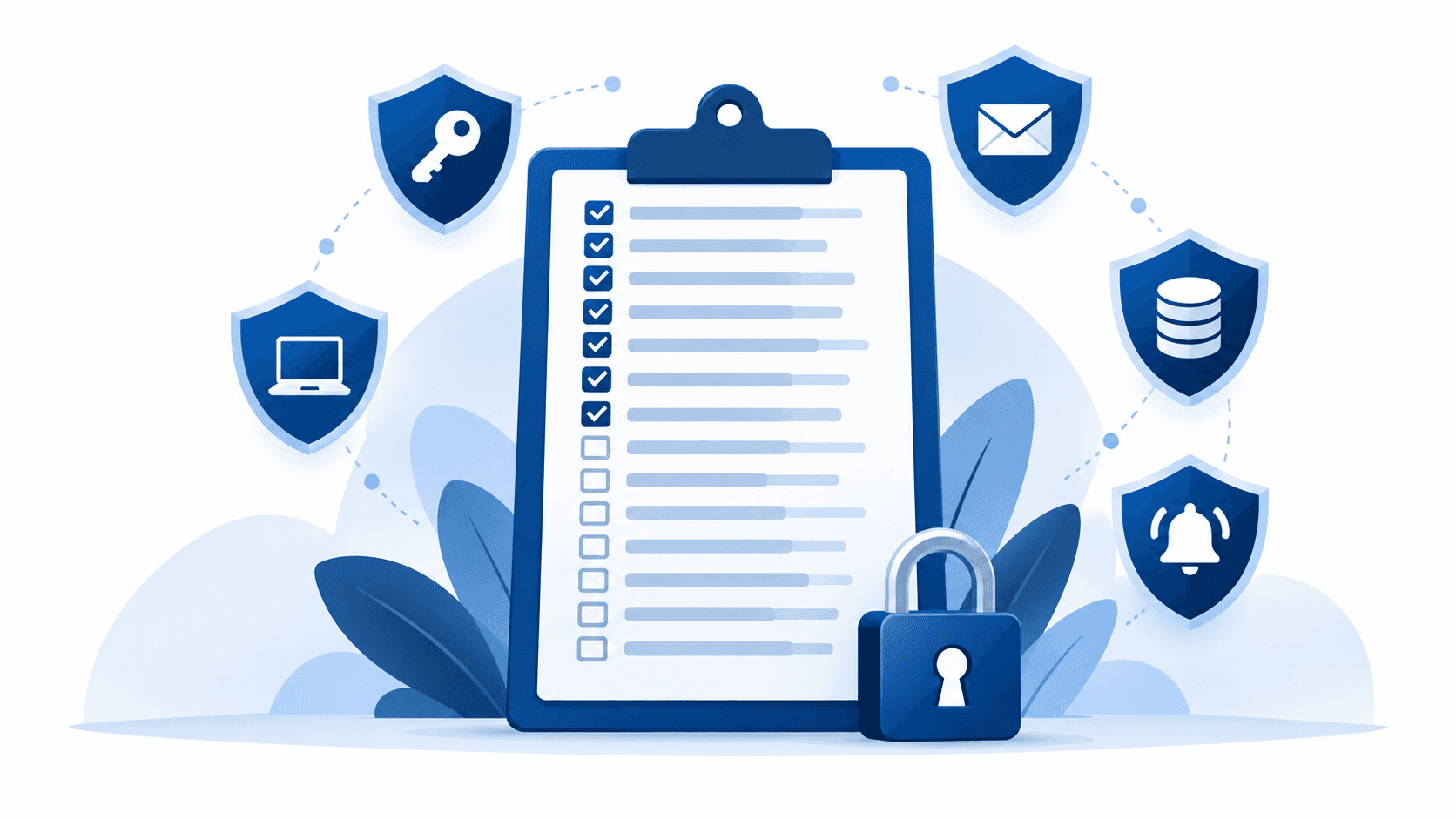
The SME cybersecurity checklist: 15 things to fix this quarter
15 concrete fixes in five areas, most of them configuration rather than purchases. Do three a week and you're done in five weeks.

7 signs your SME has outgrown its current IT support
Your IT support can be fine and still be wrong for the business you are now. Here are seven signs you've outgrown it, including one most owners miss, and what to do about each.
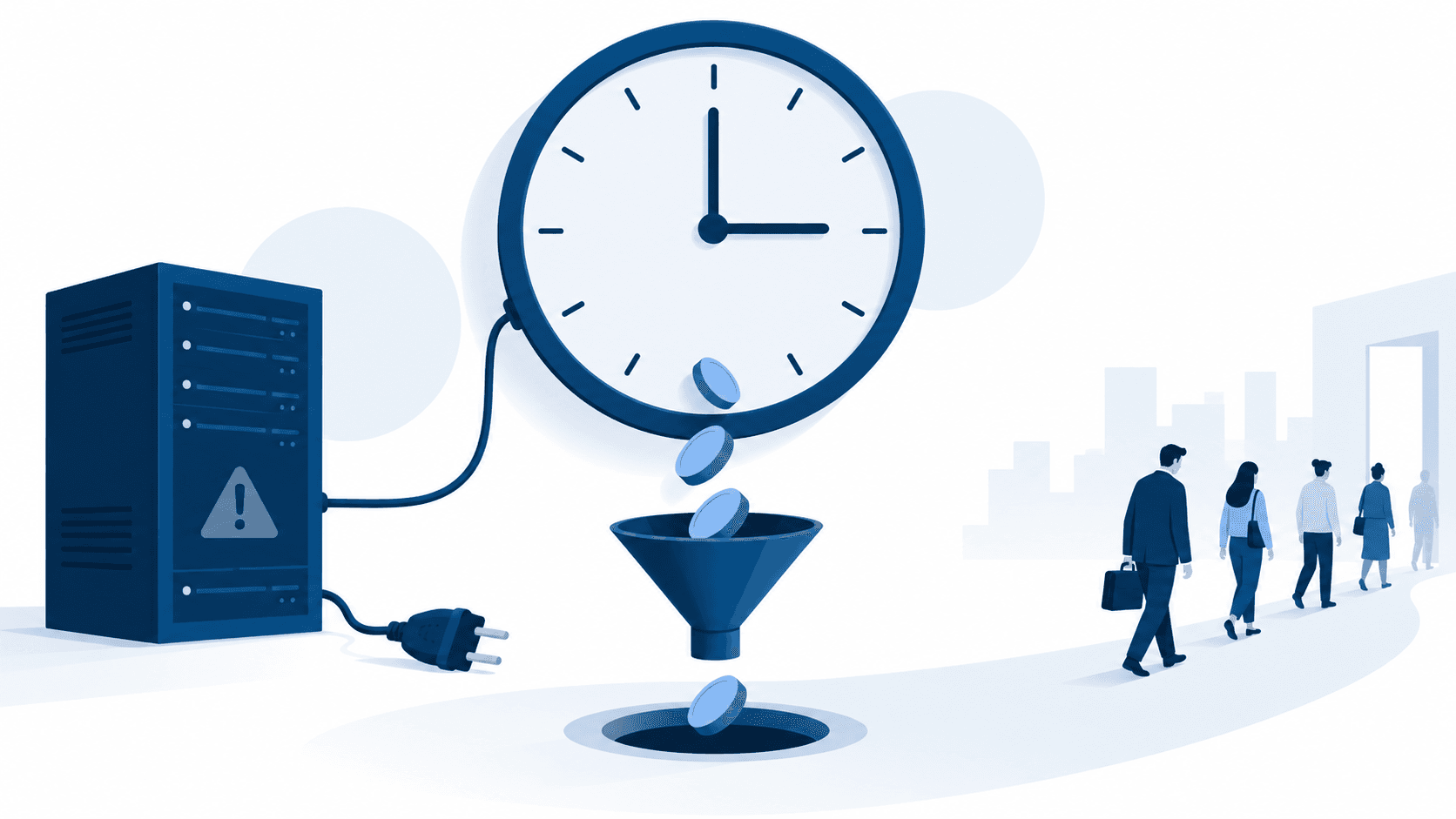
The real cost of IT downtime for Singapore SMEs (do the maths in 5 minutes)
Surveys put SMB downtime at anywhere from US$1,000 to US$25,000+ per hour, which is why you shouldn't quote someone else's number. Here's the 5-minute napkin maths for yours, and why the days hurt more than the hours.
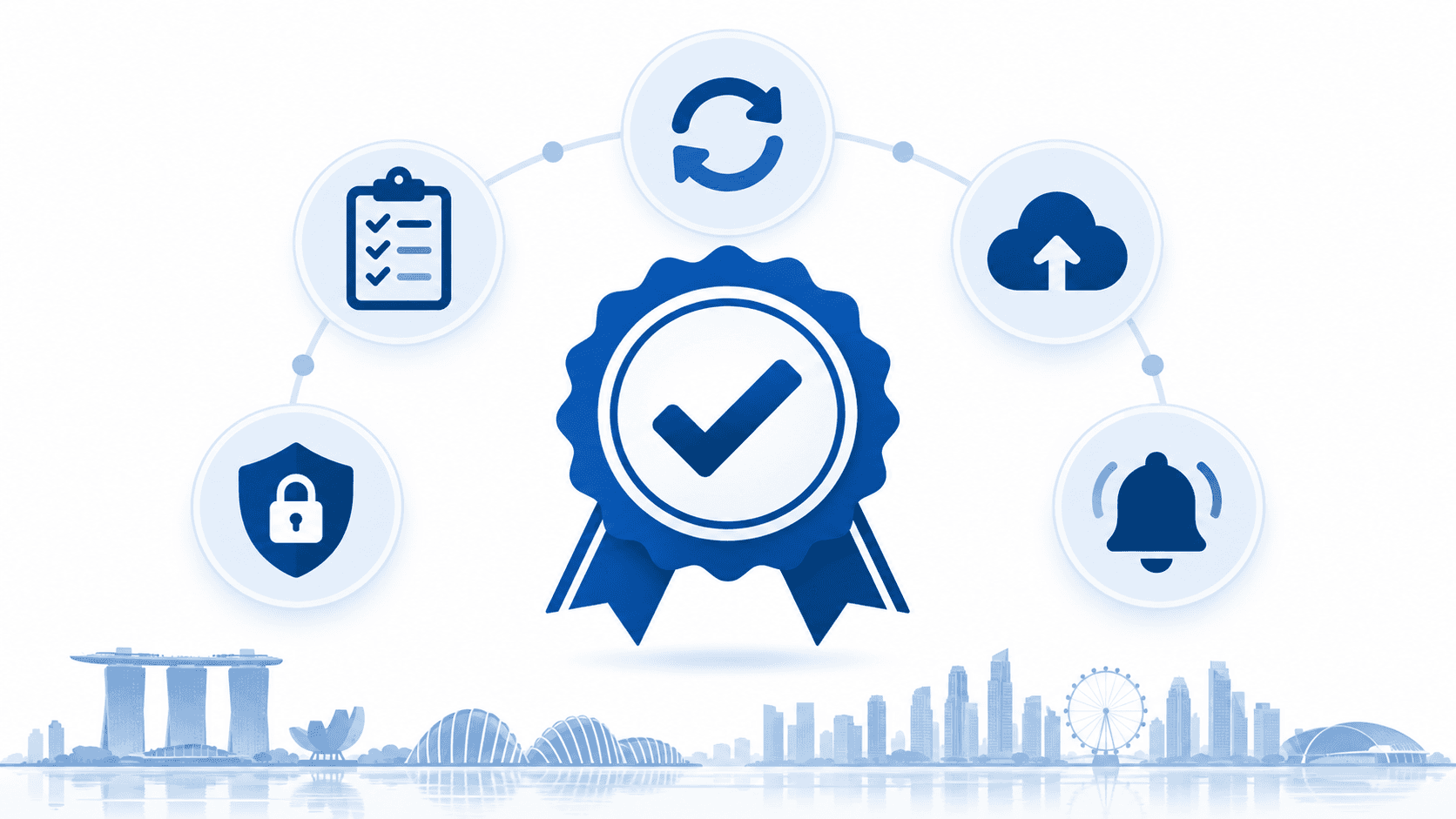
Cyber Essentials mark 2026: a step-by-step guide for Singapore SMEs
Singapore's national baseline cybersecurity certification, explained for business owners. It covers the five control areas in plain language, what it costs after CSA funding, and the step-by-step path. The first-certification funding ends in February 2028.

What is managed IT services? A plain-English guide for SME owners
Managed IT services means a specialist provider runs your company's technology, including monitoring, security and support, for a fixed monthly fee and is accountable for keeping things from breaking. Here's the model explained without jargon.

"SMEs have no data worth stealing": a risky myth in AI adoption
Singapore's first AI-linked data breach exposed 95,364 customer emails, and no hacker was involved. Nobody reviewed the script before it ran. Why "nobody wants our data" is the wrong way to think about cloud AI, and the five rules that keep you safe.

What is a managed intelligence provider? From MSP to the next stage of managed IT
Managed intelligence providers (MIPs) combine traditional managed IT with AI strategy, governance and workflow automation, so one partner is accountable for both uptime and progress. Here's what the next stage of the MSP model means for Singapore SMEs.

In-house IT vs managed IT services in Singapore: the real cost comparison
A full-time IT hire costs S$120,000–160,000 a year all-in. Managed IT for the same company often costs a third of that. Here's the maths, including the cases where hiring in-house is right.

How much does IT support cost in Singapore? (2026 price guide)
2026 numbers: S$100–300 per user per month for managed IT, S$120–250/hour for ad-hoc work. Here's what those figures buy, and what quotes often leave out.

What is a VCAIO, and does your SME need one?
A Virtual Chief AI Officer gives your business strategic AI leadership without the S$300K+ executive price tag. Here's how it works and whether your business needs one.

PDPA compliance for Singapore SMEs: what you need to know
If your business holds customer names, phone numbers or emails, the PDPA applies. Here are the five habits that cover the basics, in plain language.

How we automated about 40% of our own operations, and what we learned
In 2023 we started testing AI on our own operations. Here's what we automated, where we went wrong and what we learned.

How to choose the right managed IT provider in Singapore (without getting burned)
Not all MSPs are the same. Here's what to look for, what to avoid, and the questions most businesses forget to ask.